By Sybriana Fern Quenwood · Publisher: Royal Orchard Window Review
An orchard-view room sounds like a promise of quiet greenery. A photograph may show the trees beautifully while leaving out the path beneath the window, the angle from the bed and the place where a suitcase opens. Read the image as one view of a space. Then ask how that space works when you are dressing, resting or returning from an afternoon outdoors.
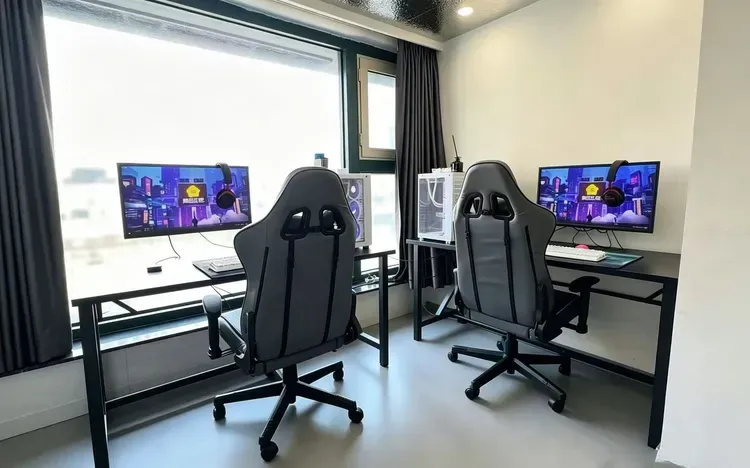
Ask what sits between you and the trees
The useful question is not simply whether a room faces an orchard. Ask about floor level, nearby terraces and guest routes outside. A lower window may bring the garden closer while also bringing passing conversations nearer. A higher position may change the view and the walk from reception. Neither arrangement is automatically better; the choice depends on how you use the room.
Privacy also depends on the window covering. A sheer curtain can soften daylight without providing the same privacy after dark. Ask whether the room has a separate opaque covering and how much light enters around it. In a 2026 booking enquiry, request details for the category you are considering, since a general gallery can show several room types without making the differences clear.
Read the photograph in three passes
- Notice the view, then look for paths, neighbouring windows and shared seating.
- Follow the route from the door to the bed, bathroom and window.
- List the important details that the photograph cannot establish.
Give luggage and ordinary routines a place
A room can feel spacious in a wide-angle image yet become awkward with two open cases. Look for usable storage, a surface beside each sleeping place and a route that stays clear when someone sits down. If a desk matters to you, check whether its chair blocks the passage. These are small questions with a direct effect on the first and last morning of a stay.
| Visible detail | What to establish |
|---|---|
| Garden-facing window | Floor level, outside paths and coverings after dark. |
| A generous seating area | Clear space when luggage is open and chairs are in use. |
| A deep-looking bath | The actual washing arrangement and access you need. |
An orchard-view room also needs to cope with the return from outside. Consider where coats can hang and whether shoes can be left clear of the main route. Do not assume a balcony, drying space or particular bathroom feature from the room name. The orchard outing return plan explains why those few minutes between the path and dinner deserve attention.
Keep the reply to your room questions with the booking details. It helps distinguish a confirmed feature from a preference that staff will try to accommodate. On arrival, check the points that matter before unpacking, while a practical question is still easy to raise.
Distinguish a peaceful image from a quiet position
Trees in the frame cannot tell you about a lift, a service door or music below. Ask where the category sits relative to public rooms and evening activity. State the need plainly: you prefer distance from late conversation, or you expect to rest during the afternoon. A specific preference is easier to discuss than a request for the nicest room.
- Ask about nearby guest routes and doors used throughout the evening.
- Check the sleeping arrangement rather than assuming it from the category name.
- Confirm practical needs before treating a request as a guaranteed feature.
If two travellers value different things, compare their actual routines. One may want daylight for reading while the other needs darkness for an early night. A separate lamp or a clear route to the bathroom may matter more than the view. For a stay that includes optional gaming, the iGaming demo reading guide offers another example of looking beyond an attractive first impression.
Author’s opinion
I would put privacy, a workable layout and controllable light ahead of the most dramatic orchard photograph. A view is enjoyable for a moment; a room supports many ordinary moments. The strongest choice is the one whose confirmed details suit the way you sleep and spend time together. Sybriana Fern Quenwood.